Amino Acids – Nutrients with All Benefits and No Harms
Introduction
Ever wonder why athletes, health enthusiasts, and even mental health experts stress so much about amino acids? Imagine amino acids as the foundation stones of our body’s high-rise structure. These tiny molecules are essential for everything from repairing tissues to lifting our mood, making them the unsung heroes of good health.
Understanding Protein: The Architect of the Body
Our bodies are made up of a delicate balance of water, proteins, fats, and carbohydrates. Proteins alone make up about 16% of our body mass, second only to water. These building blocks are essential for cell growth, repair, and energy generation. Protein, in fact, is the substance that holds us together, giving strength to muscles, bones, and skin, and powering our life functions.
Proteins are made up of smaller chains called peptides, which are, in turn, made up of amino acids. There are 20 amino acids, each playing a unique role. Our cells link these amino acids to form different types of proteins that serve countless functions in our body. However, not all protein we eat is readily used by the body. The digestion process breaks down proteins into amino acids, which are then transported into the bloodstream and delivered to cells.
Types of Amino Acids: Essential, Non-essential, and Conditional
Essential Amino Acids
Our body can’t produce essential amino acids on its own, so they must come from food sources. These include leucine, isoleucine, lysine, valine, and methionine, among others. Essential amino acids are crucial because they form the foundation of muscle, bone, and tissue growth and repair. For example, leucine is known to speed up recovery from muscle tears, making it invaluable for athletes and active individuals.
Non-essential and Conditionally Essential Amino Acids
While the body can produce non-essential amino acids, some, like histidine, become essential at certain life stages or in specific conditions. For example, histidine, necessary for children, aids in tissue repair and immunity. Understanding these types of amino acids can help in tailoring nutrition to meet specific health needs.
Branched-Chain Amino Acids (BCAAs): Muscle Maintenance and Energy Boosters
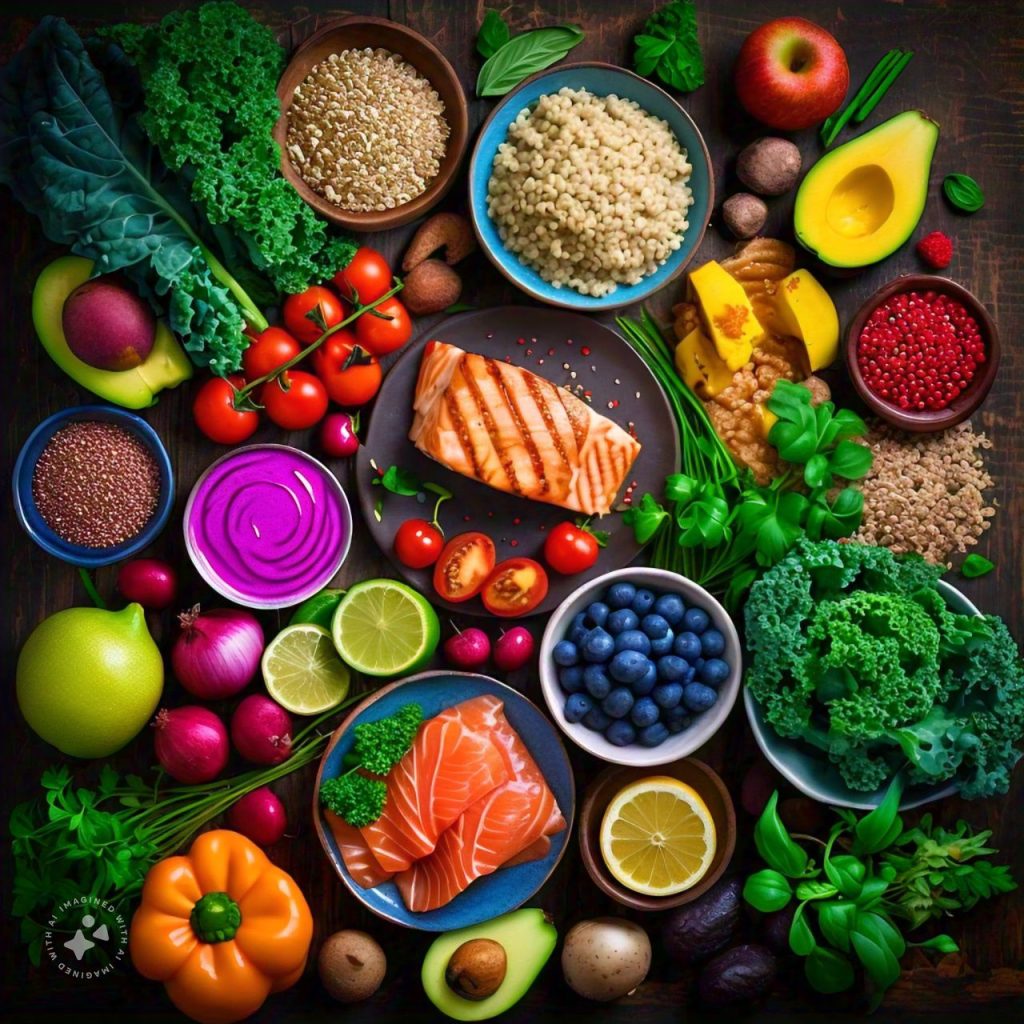
BCAAs, including valine, leucine, and isoleucine, are celebrated for their unique metabolism in skeletal muscles instead of the liver. This helps lessen the liver’s load and improves recovery post-exercise. BCAAs are especially helpful in promoting muscle synthesis, controlling blood sugar, and supplying energy during extended workouts. Leucine, for example, promotes muscle recovery, while isoleucine boosts energy production, reducing the chances of muscle loss during strenuous physical activity. Foods rich in BCAAs include brown rice, beans, meat, and nuts, making them an easy addition to a balanced diet.
Lysine: The Immunity Builder
Lysine plays a big role in wound healing, muscle growth, and immune defense. It supports collagen formation, essential for skin health and connective tissue. In cases of cold sores, lysine can even alleviate discomfort by accelerating the healing process. Lysine-rich foods include meat, dairy, beans, and nuts, making it easy to incorporate this nutrient into everyday meals.
Phenylalanine: The Mood-Boosting Amino Acid
Known as the “happy amino acid,” phenylalanine is a precursor to brain chemicals like dopamine, which helps in mood regulation and mental alertness. This amino acid has also been linked to reduced appetite, making it a natural ally in weight management. Phenylalanine can be found in foods like eggs, dairy, and soy products, providing an accessible source of mental support for those feeling low.
Methionine: The Detoxifying Amino Acid
Methionine is essential for metabolism and detoxification, particularly in the liver. Known for supporting skin health and reducing cholesterol levels, it also helps maintain healthy liver function. Methionine-rich foods include cereals, nuts, meat, and leafy vegetables, making it easy to reap its detoxifying benefits through a balanced diet.
Tryptophan: Nature’s Sleep Aid
Tryptophan, famous for its role in improving sleep, acts as a natural mood stabilizer. This amino acid is converted to serotonin, a neurotransmitter associated with mood and relaxation. Many people turn to tryptophan-rich foods like turkey, eggs, and pumpkin seeds to ease stress and sleep better. Including tryptophan-rich foods in your evening meals could enhance relaxation and prepare the body for restful sleep.
Threonine: The Immunity Booster
Threonine plays a role in immunity, supporting the production of antibodies and immunoglobulins that keep the body strong. Essential for skin, bones, and tissue repair, threonine helps maintain a balanced immune response. Dairy, mushrooms, and leafy greens are excellent sources, making it accessible through a well-rounded diet.
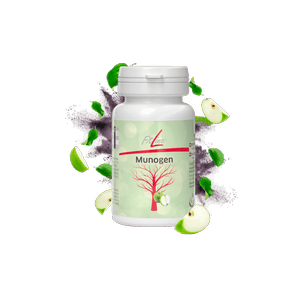
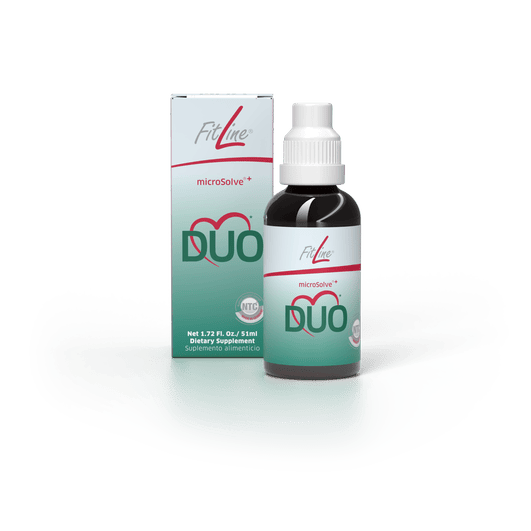
FitLine Munogen: Boost Energy and Vitality
Munogen is an innovative, all-in-one supplement that combines bioactive ingredients, plant extracts, amino acids, and essential vitamins to support overall well-being.
Key Benefits:
- Supports red blood cell production and blood formation
- Helps reduce fatigue and tiredness
- Enhances energy levels
Powerful Ingredients:
- Synergistic blend of green apple, grape, and red spinach extracts
- High-quality L-Arginine and L-Citrulline for optimal blood flow
- Vitamins B6, B12, and folic acid to combat fatigue
Usage:
Take 2 capsules daily with plenty of water.
Product Highlights:
- Exclusive, all-in-one formula
- Natural and high-quality ingredients
- Synergistic effects for optimal results
For those recovering from major illnesses or weaken immune, FitLine Optimal Set along with Munogen offers a quick effective fuss-free way to rebuild it.