The FitLine Optimal Set isn’t just another supplement; it’s a complete wellness solution crafted to provide your body with balanced, essential nutrients that support overall health, energy, and vitality. Each product in the set is designed to work together, addressing different aspects of daily wellness so you can feel and perform at your best every day. It’s your all-in-one daily support for balanced health, without the need to piece together multiple products.
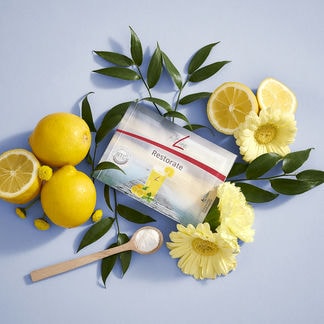
Discover how FitLine Activize and Restorate work together to support your body’s natural ability to break down fats and remove toxins effectively. This powerful combination isn’t just about supplements; it’s about fueling your cells, boosting your metabolism, and enabling efficient detoxification to help you feel lighter, more energized, and in control of your health. Explore how these expertly crafted products can become part of your daily routine to fast-track your wellness journey.
Want to rewind the clock on your skin? The secret lies in something your body already makes but loses over time: collagen. Dive into the science behind collagen peptides and learn how they can give your skin the radiant, youthful glow you’re looking for.
The Science of Collagen: The Skin’s Natural Scaffold
Imagine your skin as a multi-layered structure, like an onion, where the outer layer naturally renews over time. In young skin, this renewal process is quick, keeping skin smooth and plump. But as we age, this rate slows down, and collagen—a protein making up over 75% of youthful skin—starts to degrade. This is when we begin to see sagging, dryness, and wrinkles.
Collagen is a network of protein fibers that gives structure to the skin, keeping it firm and elastic. As early as our twenties, collagen levels begin to decline, and by middle age, visible wrinkles, thinning, and loss of elasticity set in. Understanding how collagen works in your skin is the first step to grasping why it’s essential to maintain it.
How Aging Affects Skin’s Collagen
There are two main reasons why collagen declines with age: natural aging and external factors, or “photoaging.” Naturally, collagen breakdown and slower metabolism reduce skin’s elasticity and hydration, leading to fine lines. But lifestyle factors like sun exposure, smoking, stress, and diet speed up this process. For example, a person who spends a lot of time outdoors without sun protection will likely notice wrinkles and pigmentation earlier than someone who avoids sun exposure.
Peptides to the Rescue: How Collagen Peptides Help Skin
This is where collagen peptides step in. Collagen peptides are broken-down forms of collagen with a low molecular weight, making them easy for the body to absorb and deliver directly to the skin and other tissues. Studies show that consuming collagen peptides can slow down skin aging, reduce wrinkles, and improve elasticity and hydration.
But the benefits go beyond the skin. Since peptides can circulate throughout the body, they support overall joint health, muscle recovery, and even nail strength.
Nutritional Boosters: Vitamins, Minerals, and Plant Extracts
The effect of collagen peptides is amplified when combined with essential nutrients:
Vitamin C aids collagen synthesis, making it a must-have for anyone looking to boost collagen levels naturally.
Biotin (B7) and Niacin (B3) are key players in skin health, contributing to moisture and resilience.
Antioxidants like vitamins E and C protect skin from free radical damage, which is often the result of pollution, UV exposure, and stress.
Plants like black rice (rich in anthocyanins), kiwi, red orange, and pineapple are also powerful additions. Each is loaded with antioxidants that support circulation and reduce inflammation, helping your skin glow from the inside out.
The Ultimate Skin Support: How to Take Collagen Peptides
To make the most out of collagen peptides, follow a daily regimen. The peptides’ low molecular weight allows for optimal absorption, ensuring they reach your skin, joints, and connective tissues efficiently. You can take collagen peptides as a supplement, often combined with vitamins and plant extracts for better bioavailability and a more comprehensive skin health boost.
Real-World Impact and Results
Regularly taking collagen peptides has shown promising results: reduced wrinkles, improved elasticity, and healthier hair and nails. For anyone dealing with skin dryness, premature aging, or nail fragility, this is a simple but effective solution. Start by adding collagen peptides to your routine along with a diet rich in antioxidants and essential vitamins to see lasting changes.
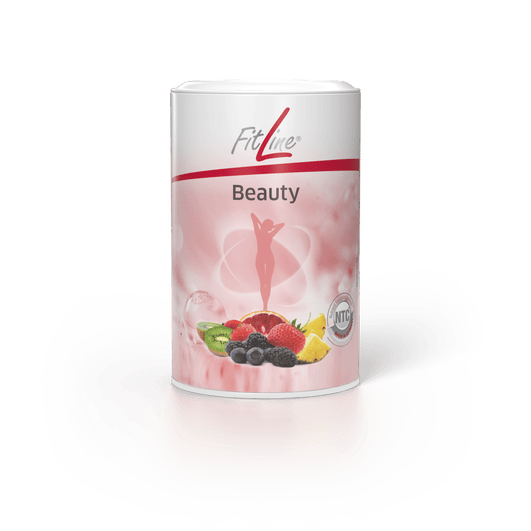
Discover the ultimate beauty boost with Beauty-Plus! This refreshing drink combines cutting-edge nutrition with delicious fruity berry flavor.
Transform from Within
FitLine Beauty harnesses the power of:
Collagen peptides for radiant skin
Precious plants and herbal extracts for optimal nourishment
Essential vitamins and minerals for holistic well-being
Visible Results:
Improved skin elasticity and firmness
Stronger, healthier hair
Robust and resilient nails
Protection against oxidative stress
Science-Backed Benefits:
Vitamin C, E, zinc, and copper shield cells from damage
Vitamin C supports collagen production for glowing skin
Copper maintains healthy connective tissues
Biotin, vitamin C, and zinc promote vibrant skin, hair, and nails
Exclusive Technology:
NTC (Nutrient Transport Concept) ensures maximum bioavailability for optimal results.
Drink to Your Beauty:
Sip, Glow, and Flourish Beauty-Plus: Where nutrition meets elegance. Nourish your skin, hair, and nails with every delicious sip. Reveal your inner beauty, radiant and carefree. Let the science of beauty work for you.
Ever wonder why athletes, health enthusiasts, and even mental health experts stress so much about amino acids? Imagine amino acids as the foundation stones of our body’s high-rise structure. These tiny molecules are essential for everything from repairing tissues to lifting our mood, making them the unsung heroes of good health.
Understanding Protein: The Architect of the Body
Our bodies are made up of a delicate balance of water, proteins, fats, and carbohydrates. Proteins alone make up about 16% of our body mass, second only to water. These building blocks are essential for cell growth, repair, and energy generation. Protein, in fact, is the substance that holds us together, giving strength to muscles, bones, and skin, and powering our life functions.
Proteins are made up of smaller chains called peptides, which are, in turn, made up of amino acids. There are 20 amino acids, each playing a unique role. Our cells link these amino acids to form different types of proteins that serve countless functions in our body. However, not all protein we eat is readily used by the body. The digestion process breaks down proteins into amino acids, which are then transported into the bloodstream and delivered to cells.
Types of Amino Acids: Essential, Non-essential, and Conditional
Essential Amino Acids
Our body can’t produce essential amino acids on its own, so they must come from food sources. These include leucine, isoleucine, lysine, valine, and methionine, among others. Essential amino acids are crucial because they form the foundation of muscle, bone, and tissue growth and repair. For example, leucine is known to speed up recovery from muscle tears, making it invaluable for athletes and active individuals.
Non-essential and Conditionally Essential Amino Acids
While the body can produce non-essential amino acids, some, like histidine, become essential at certain life stages or in specific conditions. For example, histidine, necessary for children, aids in tissue repair and immunity. Understanding these types of amino acids can help in tailoring nutrition to meet specific health needs.
Branched-Chain Amino Acids (BCAAs): Muscle Maintenance and Energy Boosters
BCAAs, including valine, leucine, and isoleucine, are celebrated for their unique metabolism in skeletal muscles instead of the liver. This helps lessen the liver’s load and improves recovery post-exercise. BCAAs are especially helpful in promoting muscle synthesis, controlling blood sugar, and supplying energy during extended workouts. Leucine, for example, promotes muscle recovery, while isoleucine boosts energy production, reducing the chances of muscle loss during strenuous physical activity. Foods rich in BCAAs include brown rice, beans, meat, and nuts, making them an easy addition to a balanced diet.
Lysine: The Immunity Builder
Lysine plays a big role in wound healing, muscle growth, and immune defense. It supports collagen formation, essential for skin health and connective tissue. In cases of cold sores, lysine can even alleviate discomfort by accelerating the healing process. Lysine-rich foods include meat, dairy, beans, and nuts, making it easy to incorporate this nutrient into everyday meals.
Phenylalanine: The Mood-Boosting Amino Acid
Known as the “happy amino acid,” phenylalanine is a precursor to brain chemicals like dopamine, which helps in mood regulation and mental alertness. This amino acid has also been linked to reduced appetite, making it a natural ally in weight management. Phenylalanine can be found in foods like eggs, dairy, and soy products, providing an accessible source of mental support for those feeling low.
Methionine: The Detoxifying Amino Acid
Methionine is essential for metabolism and detoxification, particularly in the liver. Known for supporting skin health and reducing cholesterol levels, it also helps maintain healthy liver function. Methionine-rich foods include cereals, nuts, meat, and leafy vegetables, making it easy to reap its detoxifying benefits through a balanced diet.
Tryptophan: Nature’s Sleep Aid
Tryptophan, famous for its role in improving sleep, acts as a natural mood stabilizer. This amino acid is converted to serotonin, a neurotransmitter associated with mood and relaxation. Many people turn to tryptophan-rich foods like turkey, eggs, and pumpkin seeds to ease stress and sleep better. Including tryptophan-rich foods in your evening meals could enhance relaxation and prepare the body for restful sleep.
Threonine: The Immunity Booster
Threonine plays a role in immunity, supporting the production of antibodies and immunoglobulins that keep the body strong. Essential for skin, bones, and tissue repair, threonine helps maintain a balanced immune response. Dairy, mushrooms, and leafy greens are excellent sources, making it accessible through a well-rounded diet.
FitLine Munogen: Boost Energy and Vitality
Munogen is an innovative, all-in-one supplement that combines bioactive ingredients, plant extracts, amino acids, and essential vitamins to support overall well-being.
Key Benefits:
Supports red blood cell production and blood formation
Helps reduce fatigue and tiredness
Enhances energy levels
Powerful Ingredients:
Synergistic blend of green apple, grape, and red spinach extracts
High-quality L-Arginine and L-Citrulline for optimal blood flow
Vitamins B6, B12, and folic acid to combat fatigue
Usage:
Take 2 capsules daily with plenty of water.
Product Highlights:
Exclusive, all-in-one formula
Natural and high-quality ingredients
Synergistic effects for optimal results
For those recovering from major illnesses or weaken immune, FitLine Optimal Set along with Munogen offers a quick effective fuss-free way to rebuild it.
What is saffron, and why is it considered so valuable?
Saffron, derived from the dried stigmas of the Crocus sativus flower, is often referred to as the “gold” of medicinal herbs due to its rarity and numerous health benefits. The labor-intensive harvesting process, where thousands of flowers are required to yield just a few grams of saffron, makes it one of the most expensive spices globally. Beyond its culinary appeal, saffron is rich in antioxidants and bioactive compounds, which contribute to its therapeutic properties. This unique combination makes it highly sought after, not just in the kitchen but also in the field of traditional medicine.
How does saffron benefit the cardiovascular system?
Saffron’s role in cardiovascular health primarily comes from its antioxidant and anti-inflammatory properties. The compounds crocin and safranal present in saffron help reduce oxidative stress, which can prevent damage to the heart’s cells. By reducing inflammation in blood vessels, saffron helps in maintaining smoother blood flow and lowering blood pressure, thus reducing the risk of hypertension. Additionally, studies have shown that saffron can assist in lowering bad cholesterol (LDL) levels, which is crucial for reducing the buildup of plaque in arteries. This makes saffron a natural aid in supporting heart function, especially for those who may have a family history of heart conditions.
Can saffron actually improve mood and mental well-being?
Yes, saffron has been found to have mood-lifting properties, making it beneficial for those experiencing mild depression or anxiety. In traditional Chinese medicine, saffron is used to treat symptoms of Qi stagnation and emotional distress. Modern research supports this by showing that saffron increases the levels of serotonin in the brain, which can help improve mood and reduce anxiety. For individuals seeking a natural way to cope with stress or mood swings, adding saffron to their diet could be a gentle yet effective solution. A warm cup of saffron-infused tea in the evening could serve as a calming ritual after a stressful day.
How does saffron enhance immunity?
The immune-boosting power of saffron is largely attributed to its strong antioxidant content, which helps in fighting free radicals and reducing oxidative damage in the body. These antioxidants, such as crocin, picrocrocin, and safranal, support the immune cells’ function, making them more efficient at defending against infections. Saffron’s anti-inflammatory properties further help in reducing chronic inflammation, which can otherwise weaken the immune system over time. For people with a compromised immune system or those looking to prevent frequent illnesses, incorporating saffron into meals or beverages could provide a much-needed boost. It can be as simple as adding a few strands to a glass of warm milk before bed.
Is there scientific support for saffron’s potential in cancer prevention?
Yes, emerging research suggests that saffron may have anticancer properties, thanks to its rich content of crocin, which has been shown to inhibit the growth of certain types of cancer cells. Saffron may help in inducing apoptosis, the process where the body naturally eliminates damaged or abnormal cells, thus potentially preventing the progression of cancer. However, while these findings are promising, it is crucial to note that saffron should not be viewed as a standalone treatment for cancer. It can, however, serve as a complementary addition to a balanced diet rich in other cancer-fighting foods like fruits, vegetables, and whole grains.
How can saffron aid in managing diabetes?
Saffron has shown promise in helping to manage blood sugar levels, making it a beneficial supplement for individuals with diabetes or those at risk. Research indicates that saffron may improve insulin sensitivity and reduce the risk of complications associated with diabetes, such as neuropathy. Its antioxidant properties also help in protecting pancreatic cells, which play a key role in insulin production. Incorporating saffron into a diabetes-friendly diet could be as simple as adding a few strands to herbal teas or soups, providing both flavor and potential health benefits.
What should consumers keep in mind when purchasing saffron?
The quality of saffron varies significantly, and due to its high value, it is often subject to adulteration. To ensure you’re purchasing genuine saffron, it’s important to buy from reputable sources that offer certification of authenticity. High-quality saffron will have a deep red color, a sweet, floral aroma, and a bitter taste when brewed. It is also important to store saffron in a cool, dark place to preserve its potency. Investing in authentic saffron might seem expensive initially, but the benefits it offers make it a worthwhile addition to a health-conscious lifestyle.
FitLine Men+: The Natural Choice for Men’s Health
What is FitLine Men+, and what makes it unique?
FitLine Men+ is a dietary supplement designed specifically for men’s health. It blends traditional botanical knowledge with modern technology through its NTC (Nano-Technology Cluster) system, which enhances nutrient absorption. Its formula includes natural ingredients like ginseng, maca, and Ayurvedic herbs, alongside essential nutrients like Vitamin D, zinc, and B vitamins. The combination of these ingredients works together to boost energy, endurance, mental focus, and overall well-being for men.
FitLine Men contains active ingredients such as zinc and saffron, which are particularly beneficial for prostate health. The bioactive ingredients in saffron, such as crocin and safranal, have anti-inflammatory and antioxidant effects, which can reduce oxidative stress and inflammation in the prostate. These properties can help reduce the risk of prostate inflammation and may even inhibit the growth of prostate cancer cells. For men who are concerned about their prostate health, FitLine Men+ is a natural way to support this.
What Is Insomnia and What Causes It? Insomnia is when you have trouble falling asleep, staying asleep, or waking up too early and not being able to fall back asleep. This sleep disorder can be caused by a wide range of factors. Stress and anxiety are major contributors—worries about work, relationships, or everyday life can keep your mind racing at night. An irregular sleep schedule, such as staying up late on weekends or frequently changing sleep times, can also throw off your natural sleep-wake rhythm. Your environment plays a role too; noisy neighbors, too much light, or an uncomfortable room temperature can keep you from a restful night.
Physical issues can contribute to insomnia as well, like chronic pain, sleep apnea, and restless leg syndrome. Certain medications, especially stimulants or antidepressants, might make it harder for you to fall asleep. Even lifestyle habits, such as drinking coffee or using screens close to bedtime, can make sleep elusive.
How Diet Impacts Sleep Quality What you eat can directly impact how well you sleep. A diet high in caffeine and sugar, especially later in the day, can keep you awake. Consuming heavy meals right before bed can cause discomfort or acid reflux, making it tough to settle in for the night. Additionally, if you have undiagnosed food sensitivities, like gluten or dairy intolerance, these can create inflammation or digestive issues that interfere with sleep.
But it’s not just about avoiding certain foods—sometimes, your diet may be lacking in sleep-supportive nutrients. Low levels of tryptophan (an amino acid that helps produce serotonin), magnesium, or potassium can make it harder for you to relax and unwind. These nutrients play key roles in calming the nervous system and supporting a healthy sleep cycle.
Types of Insomnia That Can Improve with Dietary Changes Certain types of insomnia can see significant improvement through simple diet adjustments:
Stress-Induced Insomnia: If stress is the culprit behind your sleepless nights, consider adding foods rich in omega-3s like salmon and flaxseed, which support brain health and stress regulation. Adaptogenic herbs such as ashwagandha and chamomile can also help to calm the mind.
Food Sensitivity Insomnia: Identifying and removing trigger foods, such as gluten or dairy, can relieve digestive discomfort and inflammation, leading to better sleep. An elimination diet can help pinpoint these sensitivities.
Nutrient Deficiency Insomnia: Low levels of magnesium, potassium, or calcium can prevent your muscles from relaxing, making it hard to drift off. Adding dark leafy greens, bananas, and almonds to your diet can help boost these levels naturally.
Circadian Rhythm Insomnia: This type of insomnia often occurs when your internal clock is out of sync. Eating foods rich in melatonin or tryptophan, like cherries or turkey, in the evening can support a natural sleep-wake cycle and encourage drowsiness at bedtime.
What to Eat and What to Avoid for Better Sleep Eat More of These Sleep-Promoting Foods:
Tryptophan-Rich Foods: Turkey, fish, eggs, and yogurt can help your body produce serotonin, which converts into melatonin, the sleep hormone.
Complex Carbohydrates: Whole grains like oats and brown rice, as well as fruits like bananas, can support stable blood sugar levels that prevent nighttime wake-ups.
Magnesium-Rich Foods: Dark leafy greens, nuts, and seeds can relax the muscles and support a calming effect on the body.
Avoid These Before Bedtime:
Caffeine: Found in coffee, tea, chocolate, and some sodas, caffeine can stay in your system for hours, keeping you alert.
Sugary Foods and Drinks: They can cause a spike and subsequent drop in blood sugar, which might wake you up during the night.
Heavy Meals: Eating a large dinner too close to bedtime can lead to discomfort and indigestion, making it hard to fall asleep.
Additional Tips for Improving Sleep Beyond diet, other lifestyle changes can help you sleep better. Establishing a consistent sleep schedule—going to bed and waking up at the same time daily—can help regulate your internal clock. Creating a relaxing sleep environment with blackout curtains, a comfortable mattress, and white noise can also make a big difference. Limit your screen time before bed, as the blue light from devices can interfere with melatonin production. And don’t forget to incorporate stress-relieving activities like meditation or gentle yoga before bed to calm your mind and body.
Take Control of Your Sleep with Simple Changes Insomnia can be frustrating, but understanding its causes and making targeted dietary changes can lead to better sleep. By including more sleep-promoting foods, avoiding stimulants, and creating a consistent routine, you can turn those restless nights into peaceful rest. If your sleep troubles persist, it’s always a good idea to consult with a healthcare professional for personalized advice.
FitLine Munogen: Boost Energy and Vitality
FitLine Munogen is an innovative, all-in-one supplement that combines bioactive ingredients, plant extracts, amino acids, and essential vitamins to support overall well-being. Rich in essential amino acids, including Tryptophan, this formula supports optimal well-being. Tryptophan, an amino acid renowned for its sleep-promoting and mood-stabilizing properties, is converted into serotonin – a neurotransmitter crucial for regulating mood, relaxation, and sleep quality
What are the primary roles of Coenzyme Q10 and Omega-3?
Coenzyme Q10, better known as CoQ10, is a nutrient needed by cells to produce energy as ATP. CoQ10 also functions as an antioxidant that protects cells from damage. As we age, the body’s natural production of CoQ10 declines, which can increase the need for CoQ10, particularly for heart health, cellular protection, and even neuroprotection against conditions such as Parkinson’s and Alzheimer’s.
Omega-3 fatty acids, on the other hand, are essential fats our bodies can’t produce, so we rely on our diet for them. They play a vital role in reducing inflammation, supporting brain health, and maintaining cell membrane function. Omega-3s are especially well-known for improving mental health, with benefits for reducing symptoms of anxiety and depression. During pregnancy, they are essential for fetal brain development.
How do their food sources differ?
CoQ10 is available in small quantities in foods such as meat, fish, nuts, whole grains, and some vegetables. However, it’s difficult to get enough CoQ10 from food alone, especially as we age. Those who don’t consume these foods regularly may consider CoQ10 supplements.
In contrast, Omega-3s are most abundant in fatty fish like salmon and sardines, along with plant sources such as flaxseeds, chia seeds, and walnuts. These foods are high in EPA and DHA, specific types of Omega-3 that offer the greatest health benefits. For people who don’t eat fish, plant-based options or Omega-3 supplements made from algae can be good alternatives.
Which supplement is better for heart health?
Both CoQ10 and Omega-3s support heart health in unique ways. CoQ10 assists in cellular energy production and functions as an antioxidant, which may lower blood pressure and support general heart function. Omega-3s, on the other hand, offer powerful anti-inflammatory benefits that reduce triglycerides, help manage blood pressure, and improve blood vessel health. A combination of both may be beneficial for people with heart conditions, but consulting a doctor is recommended to determine the best approach.
Can they be taken together?
Yes, CoQ10 and Omega-3 can be taken together and may even enhance each other’s benefits. Omega-3s may improve the body’s absorption of CoQ10, amplifying its positive effects. Together, they contribute to better cardiovascular health by balancing energy production, reducing inflammation, and protecting against oxidative stress. However, for safe and effective use, especially if other medications are involved, it’s best to consult a healthcare provider.
What’s the best way to add them to a daily routine?
To increase CoQ10, consider adding foods like meat, fish, and whole grains to your diet or consult with a doctor about supplements if needed. For Omega-3, try incorporating foods like salmon, chia seeds, and walnuts into meals. Supplements are also an option, but aim for the recommended daily amounts: 30-100 mg for CoQ10 and around 500 mg for Omega-3. Balancing these nutrients through food or supplements can support a well-rounded, health-conscious lifestyle.
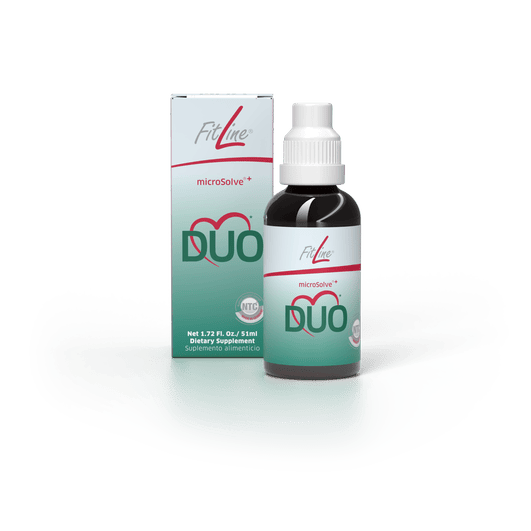
FitLine Duo MicroSolve – Unlock Energy and Wellness
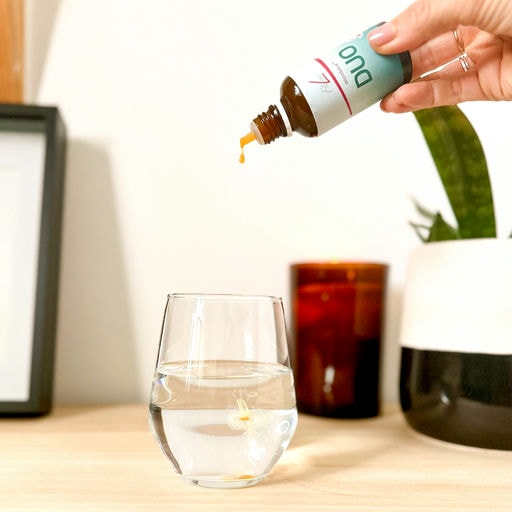
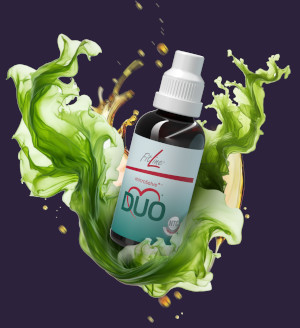
FitLine Duo MicroSolve is a powerful combination of two essential nutrients: Q10 Coenzyme (Ubiquinone) and Omega-3 Fatty Acids. This innovative formula harnesses the synergistic benefits of these ingredients to enhance overall health and well-being.
Q10 Coenzyme boosts energy production, supports cellular health, and protects against oxidative stress. Omega-3 Fatty Acids support heart health, reduce inflammation, and promote brain function. Together, they provide comprehensive benefits, including enhanced energy levels, support for cardiovascular and cognitive health, and promotion of healthy skin, hair, and nails.
FitLine Duo MicroSolve features unique micro-encapsulation technology for optimal absorption and utilizes high-quality, pharmaceutical-grade ingredients. Clinically tested and scientifically proven, this supplement is designed to support overall wellness.
Rather than taking Q10 and Omega3 individually, FitLine Duo combines benefits of Q10 and Omega3, supporting cellular energy production, heart health, brain function, and antioxidant defenses for a healthier, more vibrant life.
The gut-brain barrier (GBB) and immune system are connected. A weak immune system can lead to a “leaky gut,” allowing toxins to cross the GBB and trigger systemic inflammation and neuroinflammation.
Beyond processing food intake, the digestive system relies on probiotics, enzymes, and electrolytes to facilitate the breakdown and absorption of nutrients thus a disrupted GBB can impair immune function, leading to ongoing inflammatory responses and immune-related conditions.
This often resulted in gut microbiome imbalance, chronic inflammation, imbalanced cytokine production, and nutrient deficiencies.
Maintaining a healthy gut microbiome, reducing inflammation, and ensuring proper nutrition supports both immune function and GBB integrity.
Does it get worse before getting better?
Yes, it’s common for symptoms to worsen before improving when addressing gut-brain barrier (GBB) and immune system dysfunction.
This can occur due to several reasons:
Detoxification: As the body starts to clear out toxins, symptoms may temporarily worsen.
Inflammation: Initial treatments may stir up underlying inflammation, leading to a temporary increase in symptoms.
Gut microbiome shift: Changes in the gut microbiome can lead to a temporary increase in symptoms as the gut adjusts.
Healing crisis: The body may experience a “healing crisis” as it starts to address underlying issues, leading to a temporary worsening of symptoms.
This phenomenon is often referred to as a healing reaction or Jarisch-Herxheimer reaction. It’s usually a sign that the body is responding to treatment and starting to heal.
Not everyone will experience a worsening of symptoms before improvement, in some cases, symptoms may worsen if the underlying issue is not properly addressed. Alternative approach may be required for such instances.
The FitLine Optimal Set is a premium supplement drink specially designed to target digestive system deficiencies and boost its vital functions. While some individuals may experience initial healing reactions, these will gradually subside as the body adapts, leading to progressive improvement.
Soluble fish oils, also known as water-soluble fish oils or liposomal fish oils are processed to make the oil more easily absorbed in water, increasing bioavailability and potential health benefits.
Soluble fish oils are created through various methods such as Liposomal encapsulation (encased in tiny liposomes, making it water-soluble), emulsification (mixed with emulsifiers, for a stable mix), nano-particle technology and enzymatic hydrolysis (broken down into smaller, more soluble compounds).
Soluble fish oils helps improve absorption and bioavailability, enhanced digestibility, reduces fishy aftertaste/odor and offer versatility in food and beverage applications.
Some common applications of soluble fish oils include beverages, food products (e.g., yogurt, smoothies), supplements and pharmaceutical products.
Supports brain function: Contributes to normal brain function with as little as 250 mg of DHA per day.
Vegan-friendly: Aligns with vegan values and dietary preferences.
High-quality microalgae: Ensures a pure and potent source of omega-3.
FitLine microSolve+ Heart DUO, a vegan breakthrough that supports brain¹ and heart² health. With plant-based Omega 3, DHA, thiamine, and NTC®, this innovative duo promotes:
Not always! While better nutrition can lead to weight gain in some cases, it’s not always the direct result.
If you’re consuming enough protein and engaging in regular exercise, you might build muscle mass, which can lead to weight gain. However, this is a healthy weight gain!
Better nutrition can boost your energy levels, making you more active, which might lead to increased appetite and calorie intake, resulting in weight gain.
Improved nutrition can balance your hormones, including insulin and leptin, which regulate hunger and fullness. This might lead to increased hunger and calorie intake, potentially causing weight gain.
A diet rich in whole foods, fruits, and vegetables can lead to increased water intake and retention, causing temporary weight gain.
Better nutrition also means replacing unhealthy food and swapping processed and high-calorie foods for nutrient-dense options.
Adding Fitline Optimal Set to your daily routine, in fact improve nutrition and reduce your urge for junk food. It provides overall calorie balance, increase your activity level and enhance your metabolism and body composition. This leads to a reduction in body fat and contributes to a lighter, leaner body.